
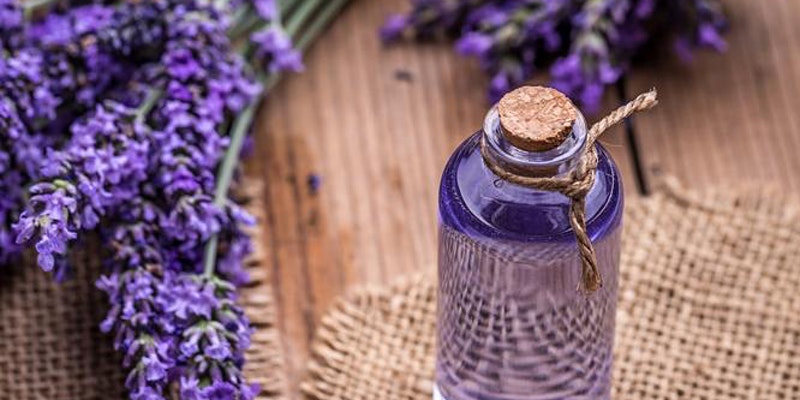
Lavender (Lavandula angustifolia) has been used therapeutically for more than 2,500 years. From ancient Persian bathhouses to modern clinical settings, this gently aromatic plant has earned its place as one of the most trusted natural remedies.
Today, lavender essential oil remains one of the most widely used oils globally and for good reason. Its active compounds, including linalool and linalyl acetate, have been shown to exert calming, antimicrobial, and analgesic effects on the body (Cavanagh & Wilkinson, 2002).
What’s particularly compelling is how traditional wisdom is now being supported by modern research. Below are seven evidence-based ways lavender can support your health and wellbeing.
1. Supporting Calm and Reducing Anxiety
Lavender is perhaps best known for its calming effect on the nervous system. Clinical studies have shown that inhaling lavender can significantly reduce anxiety levels, including in high-stress environments such as pre-surgery settings and intensive care units.
In some cases, reductions in cortisol, the body’s primary stress hormone, have also been observed (Koulivand et al., 2013). This suggests lavender works not just psychologically, but physiologically as well.
2. Improving Sleep Quality
If sleep is a struggle, lavender can offer simple and effective support.
Research involving new mothers found that regular inhalation of lavender before bed significantly improved sleep quality over an eight-week period (Lee et al., 2011). Other studies have shown similar benefits in those experiencing insomnia or disrupted sleep.
A few slow, intentional breaths of lavender before bed can be a gentle way to signal safety and rest to the body.
3. Easing Premenstrual Symptoms
Many women experience discomfort leading up to and during menstruation, both physically and emotionally.
Lavender has been shown to reduce menstrual pain when used in abdominal massage, likely due to its muscle-relaxing and circulation-enhancing effects (Apay et al., 2012). Inhalation has also been linked to improved mood and reduced emotional distress during the premenstrual phase (Matsumoto et al., 2013).
This makes it a useful and non-invasive tool for monthly support.
4. Reducing Pain
Lavender’s analgesic (pain-relieving) properties are well documented.
Studies have demonstrated reduced pain perception in patients undergoing medical procedures—such as needle insertions and dialysis, when lavender aromatherapy is used alongside standard care (Bagheri-Nesami et al., 2016).
It doesn’t replace medical treatment, but it can meaningfully enhance comfort and reduce distress.
5. Lowering Stress Response
Beyond perceived stress, lavender also appears to influence the body’s stress response directly.
Inhalation has been associated with reductions in heart rate, blood pressure, and skin temperature; markers of activation within the nervous system (Sayorwan et al., 2012). Participants also reported feeling more relaxed, refreshed, and at ease.
This reinforces lavender’s role as a practical tool for daily nervous system regulation.
6. Supporting Antimicrobial Balance
Lavender essential oil has demonstrated antifungal and antimicrobial activity in laboratory settings, particularly against Candida albicans, a common cause of yeast infections (Cavanagh & Wilkinson, 2002).
While this research is promising, it’s important to approach internal or clinical use with guidance. Lavender may be a supportive addition, but not a replacement, for appropriate medical care.
7. Promoting Wound Healing
Lavender has also shown benefits in supporting skin healing.
In studies on mouth ulcers, topical lavender reduced inflammation, decreased healing time, and provided early pain relief (Altaei, 2012). Its antimicrobial and anti-inflammatory properties likely contribute to these effects. Always consult a practitioner.
The Quality Matters More Than You Think
Not all essential oils are created equal. In fact, many commercially available oils are diluted, adulterated, or synthetically fragranced meaning you won’t get the therapeutic benefits outlined above.
If you’re choosing to use essential oils as part of your health routine, purity is non-negotiable.
Look for oils that are:
- 100% pure and therapeutic grade
- Third-party tested for quality and contaminants
- Free from fillers, solvents, or synthetic fragrance
Brands such as doTERRA are known for rigorous sourcing and testing standards, which is why they are often used in clinical and therapeutic settings.
If you’re based in the Bay of Plenty and would like a trusted local contact, Leigh Rackham offers guidance and access to high-quality oils. You can explore her page here:
https://office.doterra.com/pureflourish/#/
Practical Ways to Use Lavender
Lavender is versatile and easy to incorporate into daily life:
- For relaxation or sleep: Place 1–2 drops on a cotton pad beside your bed or inhale slowly from your palms
- For massage: Dilute in a carrier oil (such as coconut or sweet almond oil) and apply to the skin
- For the home: Add a few drops to a spray bottle with water for a calming room mist
- For daily rituals: A drop on your pillow, in the bath, or even in your laundry can create subtle, supportive exposure
As always, use mindfully, especially on sensitive skin.
A Grounded Approach to Wellbeing
Lavender is not a cure-all, but it is a well-researched, accessible tool that can gently support your nervous system, sleep, and overall wellbeing.
Small, consistent practices like this are often where real change begins.
Ready to Support Your Health More Intentionally?
If you’re feeling like your body needs deeper support—whether that’s better sleep, hormone balance, digestion, or simply more steady energy—this is where personalized guidance can make all the difference.
At Paula Sharp Nutrition, the focus is always on realistic, sustainable change. No quick fixes. Just practical, evidence-informed support that helps you understand your body and work with it.
You can join the Sharp Bite newsletter for simple, seasonal nutrition insights and tips here:
https://preview.mailerlite.io/forms/114086/163386093340722476/share
Or reach out directly if you’re ready for a more personalized approach.
References
- Altaei, D. T. (2012). Topical lavender oil for the treatment of recurrent aphthous ulceration. American Journal of Dentistry, 25(1), 39–43.
- Apay, S. E., et al. (2012). Effect of aromatherapy massage on dysmenorrhea. Pain Management Nursing, 13(4), 236–240.
- Bagheri-Nesami, M., et al. (2016). The effects of aromatherapy with lavender essential oil on pain intensity. Complementary Therapies in Clinical Practice, 25, 81–86.
- Cavanagh, H. M. A., & Wilkinson, J. M. (2002). Biological activities of lavender essential oil. Phytotherapy Research, 16(4), 301–308.
- Koulivand, P. H., et al. (2013). Lavender and the nervous system. Evidence-Based Complementary and Alternative Medicine, 2013.
- Lee, I. S., et al. (2011). Effects of lavender aromatherapy on sleep quality. Journal of Alternative and Complementary Medicine, 17(9).
- Matsumoto, T., et al. (2013). Effects of olfactory stimulation with lavender on premenstrual symptoms. Biopsychosocial Medicine, 7(1), 12.
- Sayorwan, W., et al. (2012). Effects of inhaled lavender oil on the autonomic nervous system. Journal of the Medical Association of Thailand, 95(4), 598–606.