
 By Paula Sharp, Nutritional Therapist
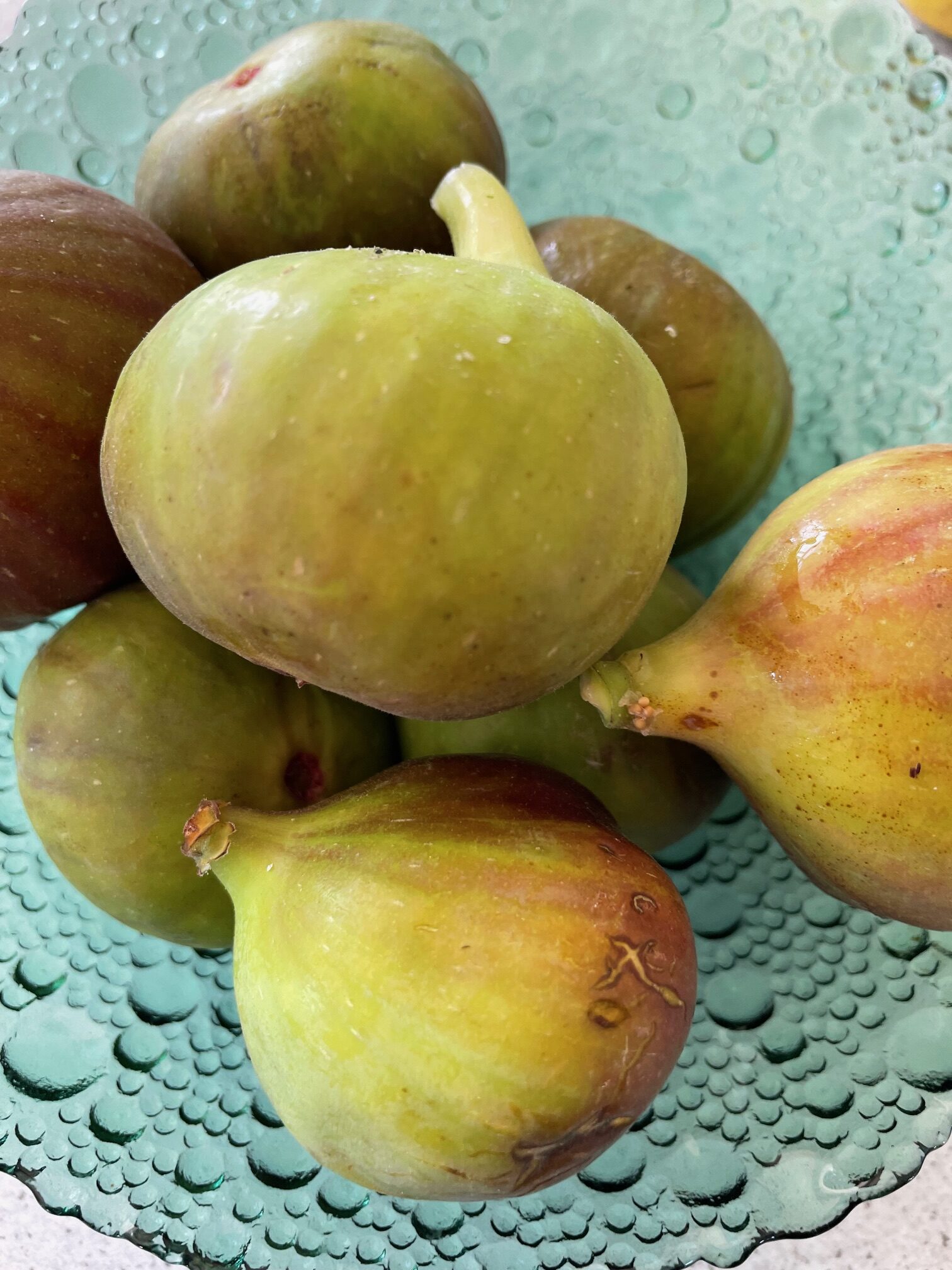
There’s something quietly luxurious about a ripe fig. Split one open and you’ll find a jewel-like centre, soft, fragrant, and naturally sweet. Figs are far more than a seasonal treat, they have a long history, impressive nutritional value, and, for the home gardener, a surprisingly generous nature.
An Ancient Fruit
Figs are one of the oldest cultivated fruits in the world, with records tracing back over 11,000 years. Archaeological evidence suggests fig trees were grown even before grains like wheat and barley, making them one of humanity’s earliest agricultural successes.
In ancient Mediterranean cultures, figs symbolised abundance, fertility, and nourishment. They appear in early Egyptian records and were a staple food in Greek and Roman diets, valued for both sustenance and medicinal properties.
Here in the Eastern Bay of Plenty, figs feel right at home. Our warm summers, coastal influence, and fertile soils create ideal growing conditions, allowing fruit to ripen slowly and develop that rich, honeyed flavour straight from the tree.
It’s not uncommon to find an established fig tree in a backyard or on a lifestyle block, quietly producing year after year with very little input. In many ways, figs suit the rhythm of this region; low-fuss, abundant, and deeply seasonal.
Nutrition in a Small Package
Fresh figs offer a beautiful balance of natural sugars and fibre, making them both satisfying and supportive for digestive health. Their tiny seeds provide gentle roughage, helping to keep the bowel moving without irritation.
They are also a valuable source of potassium, a mineral many people fall short on. Potassium plays a key role in regulating blood pressure and supporting heart health.
Figs also contain:
- Calcium and magnesium for bone strength
- Small amounts of iron for energy production
- Polyphenols, powerful plant compounds that help reduce oxidative stress and inflammation
Dried figs are more concentrated in sugar, but also richer in minerals and fibre. They can be useful for those needing energy-dense foods, but as always, balance matters.
Growing Figs is Simple
For something so ancient, fig trees are remarkably well-suited to modern gardens.
They thrive in:
- Warm, sunny positions
- Free-draining soil
- Slight neglect (yes, really)
Too much water or overly rich soil often leads to leafy growth rather than fruit.
One of the most effective techniques is root restriction. Planting figs in a large pot or confined space gently stresses the tree, encouraging it to produce fruit rather than excessive foliage.
Pruning tips:
- Remove dead or overcrowded branches in winter
- Allow light and airflow into the centre
- Keep it simple, figs don’t need heavy pruning
Figs can produce two crops:
- An early breba crop (on old wood)
- A main crop (on new growth)
With a little patience, one tree can reward you generously for years.
Bringing Figs to the Table
Figs are incredibly versatile, working beautifully in both sweet and savory dishes.
Warm Fig, Walnut & Goat Cheese Salad
Serves 2
Ingredients:
- 6 fresh figs, halved
- 2 cups rocket or mixed greens
- ¼ cup walnuts (optional, lightly toasted)
- 60g goat cheese
- 1 tbsp coconut oil
- 1 tsp honey
- 1 tsp apple cider vinegar
- Pinch of sea salt
Method:
Warm a pan over medium heat and add coconut oil. Place figs cut-side down and cook for 2–3 minutes until softened and lightly caramelized.
Arrange greens on a plate, top with warm figs, walnuts, and crumbled goat cheese.
Whisk honey, vinegar, and salt together, drizzle over, and serve immediately.
Stewed Figs with Orange & Cinnamon
Serves 2
Ingredients:
- 8 fresh figs, halved
- Juice and zest of 1 orange
- ½ tsp ground cinnamon
- 1 tbsp water
- 1 tsp maple syrup (optional)
Method:
Place all ingredients into a small pot and bring to a gentle simmer.
Cook for 10–12 minutes until figs are soft and the liquid has thickened slightly.
Serve warm over natural yoghurt, porridge, or alongside a handful of nuts for a simple, nourishing breakfast or dessert.
A Simple Kind of Nourishment
Figs remind us that nourishment doesn’t need to be complicated. Whether growing in your backyard or picked up at a local market, they offer a connection to both history and health.
They are a small, sweet step toward eating in a way that truly supports the body.
If you enjoy simple, grounded nutrition insights like this, you’re warmly invited to join Sharp Bite, my weekly newsletter.
It’s a quick, nourishing read with practical tips, seasonal inspiration, and realistic ways to support your health—without the overwhelm. https://preview.mailerlite.io/forms/114086/163386093340722476/share
A version of this article was printed in the Whakatane Beacon Newspaper 2026.